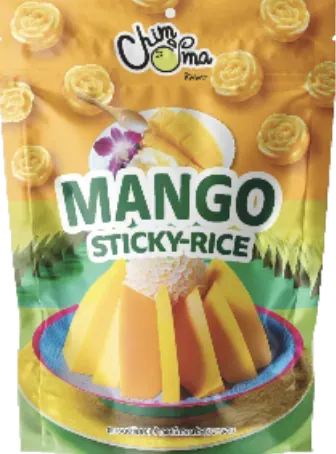
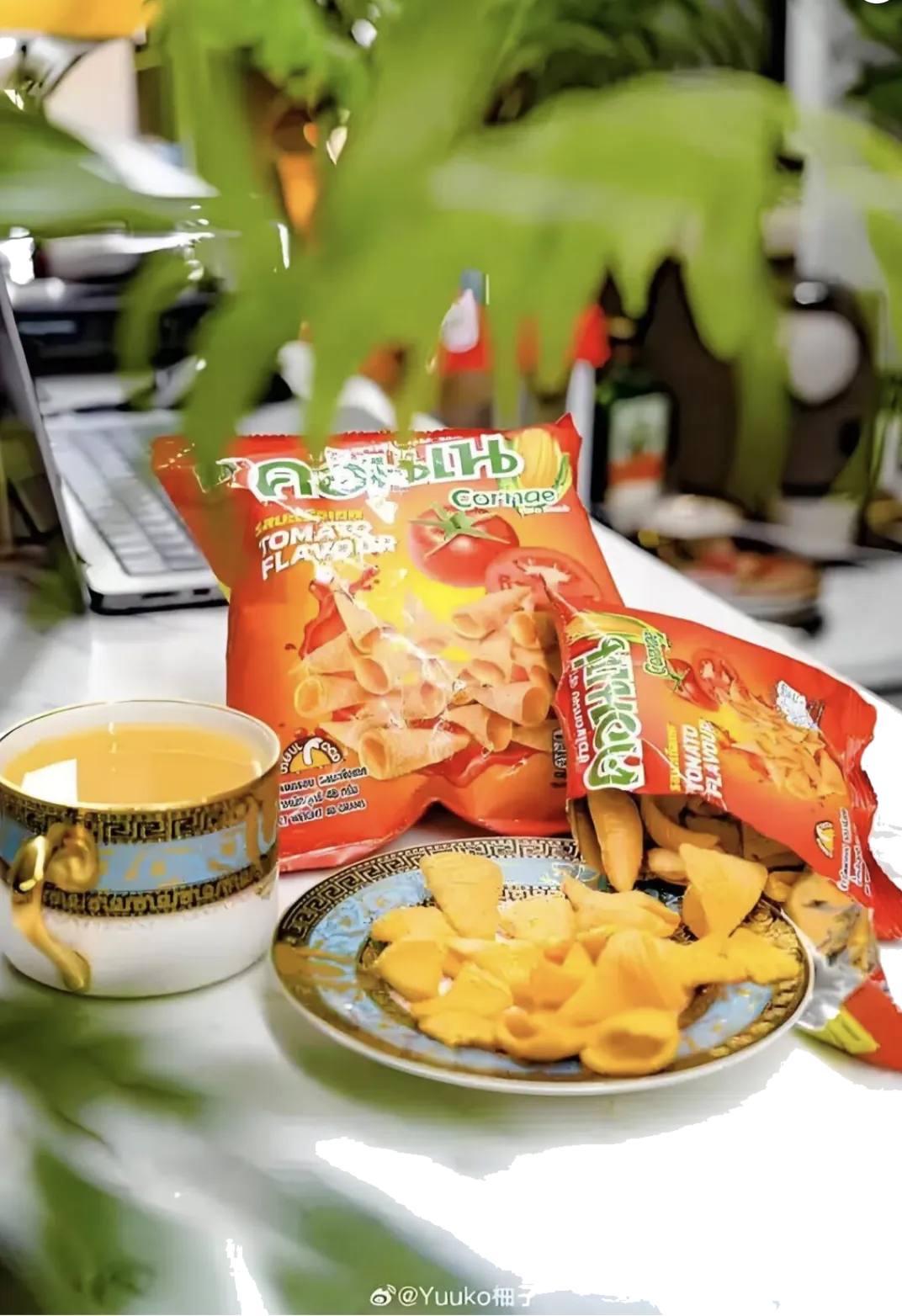

A defined customer and channel
Know whether the product is for supermarket, convenience, specialty grocery, ecommerce, foodservice, or gifting—and what wins in that setting.
Feasibility
A logo is not a product strategy. Stronger programs start with a defined shopper, channel, target price position, repeat-volume assumption, and reason for the product to exist.
Know whether the product is for supermarket, convenience, specialty grocery, ecommerce, foodservice, or gifting—and what wins in that setting.
Start from the eating occasion, flavor direction, pack size, and reference products rather than an open-ended request for “something unique.”
Packaging, formulation, print method, testing, and minimum production runs all affect feasibility and landed economics.
Allow time for product screening, samples, artwork, market review, approvals, production, documents, and freight.
Customization levels
Commercial risk generally rises as the program moves from a proven product with custom branding toward new formulation, tooling, or packaging structures.
| Starting point | What may change | Typical planning focus |
|---|---|---|
| Existing product | Branding, artwork, or selected pack details. | Eligibility, print minimums, label content, case pack, and market approval. |
| Adapted product | Flavor, size, format, or packaging within available capability. | Samples, sensory approval, testing, cost impact, and production minimums. |
| New concept | Broader product or packaging development. | Technical feasibility, development scope, ownership, testing, investment, and timeline. |
Program path
Define market, channel, product, reference, target cost, volume, claims, packaging, and launch window.
Assess suitable product routes, customization level, likely minimums, documents, and critical unknowns.
Confirm the sample basis, review sensory and pack direction, and document requested changes.
Close product, artwork, regulatory, commercial, production, and shipment approvals before scale-up.
What to send
If some details are unknown, say so. A clearly marked assumption is more useful than a confident guess.
Buyer questions
AIMBITE presents itself as a sourcing, wholesale, and export partner working with a Southeast Asian supply network. The applicable producer and capability depend on the selected product program.
A preliminary discussion is possible, but meaningful feasibility and pricing require at least a trial-order range and an expected repeat-volume direction.
No. Customization depends on rights, producer capability, packaging route, minimums, market requirements, and timing. Each opportunity must be confirmed.
Starting from an eligible, proven product and limiting changes to branding or available pack options is usually simpler than developing a new formulation or structure.
Share the market, format, volume, cost range, requirements, and target launch window. AIMBITE will help define a realistic next step.